The collector’s edit / 001
The card you’ll
never sell.
Some cards become difficult to replace for reasons no checklist can capture. An essay about memory, taste, and the particular copy you choose to keep.
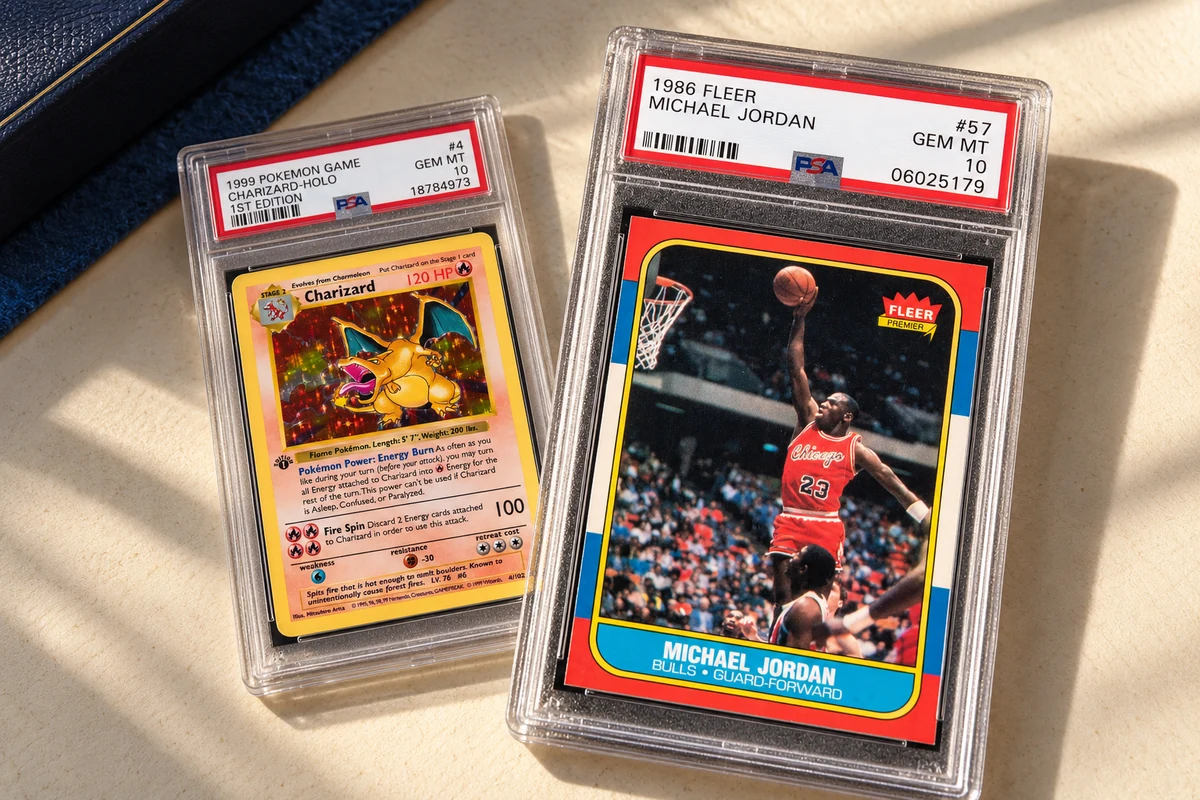
The copy you would keep
Imagine sorting a collection into the cards you might move on and the ones you want to keep. The first few decisions come easily. A duplicate can go. A set you have lost interest in can go. Then one card stays on the table while everything around it changes places. You turn it over, read the back, and set it apart.
It could be an ordinary base card. It could be the centerpiece of the collection. The distinction is that you can picture replacing the others. With this one, another copy would leave something missing.
The card you’ll never sell is an affectionate idea rather than a binding promise. Circumstances change. Collections change. Still, it describes a feeling worth paying attention to: the moment a particular piece of cardboard becomes difficult to exchange for anything else.
What this copy remembers
Perhaps it came from a pack opened at a kitchen table, the empty wrapper flattened beside it. Perhaps it was a gift from someone who knew exactly which player you followed. Or imagine a collector finding a childhood favorite again after years away from the hobby. The new purchase might carry the memory of the first copy, even if that original disappeared long ago.
The object gives those associations somewhere to settle. A photograph on the front can call up a uniform, a season, or the room where you watched a game. The design on the back might bring back the pleasure of reading every line before putting a card into its pocket. Sometimes the remembered detail is smaller still: whose handwriting appeared on the envelope.
Another collector could recognize the same set and admire the same photograph without sharing any of those associations. That leaves room for two equally sincere responses to one card. What looks unremarkable across a dealer’s table might be the exact thing someone has been hoping to find.
Keeping it preserves a useful point of contact. You cannot return to the afternoon itself. You can take the card out and spend a little time with what it brings back.
Taste leaves its own record
A keeper does not need a childhood story. You might have encountered it last week and simply liked the way it looked. Perhaps the photograph catches a player between the expected poses, or an illustration has a color combination you keep returning to. A border that someone else finds dated may be exactly the appeal.
That kind of preference deserves space. A collection can become more personal as its owner learns which cards continue to hold their attention after the first excitement fades. There is pleasure in recognizing your own taste, whether it leads you toward a celebrated grail or a card few people have noticed.
Condition belongs in that picture too. Picture a card with a softened corner from years in a binder. The wear might be part of its familiarity. Equally, a carefully preserved copy might be a keeper because its clean surface lets the artwork do everything you love about it. Neither needs to become a rule about how other people should collect.
You can enjoy immaculate cards, unusual cards, expensive cards, and inexpensive cards. The interesting question is which particular ones continue to hold your attention, whether you enjoy them privately or share them with other collectors.
Room for something that stays
Selling can be part of enjoying a collection. Interests shift; space and money have other demands. Letting one card go can make room for something you want more. A keeper does not need to turn every decision around it into a test of loyalty.
It can simply remain while the rest evolves. Perhaps you move it into a new binder as the old one fills up, or give it a place beside a newer favorite. It becomes a small reference point: a reminder of where your attention once landed, and why it stayed there.
Picture that sorting table again. The duplicates have gone back into their box. The cards you intend to trade sit together in a neat pile. One remains beside the open binder. You tilt it toward the light, then slide it carefully into its pocket.